

Home DNA kit result timelines range from 1 business day to several weeks, depending entirely on the test type and what happens after the lab receives your sample. Paternity tests deliver the fastest turnaround, while other relationship tests such as grandparentage and sibling testing take somewhat longer. US Diagnostics Center offers results in as few as 2–3 business days for paternity testing, with expedited options available. Understanding each stage of the process, from shipping to lab processing to reporting, sets realistic expectations and helps you avoid preventable delays.
1. How long do home DNA kit result timelines vary by test type?
Home DNA kit result timelines are not uniform. The test type is the single biggest factor determining how long you wait. Relationship DNA results generally take 2–5 weeks after laboratory receipt, with 2–3 weeks being the standard range for most tests. Paternity results can arrive in as little as 1 business day with expedited processing.
The timeline officially starts when the laboratory receives and logs your sample, not when you drop it in the mail. That distinction matters because shipping can add several days before the clock even begins. Knowing this helps you plan accurately rather than counting from the day you mailed the kit.
2. How long do at-home paternity DNA test results typically take?
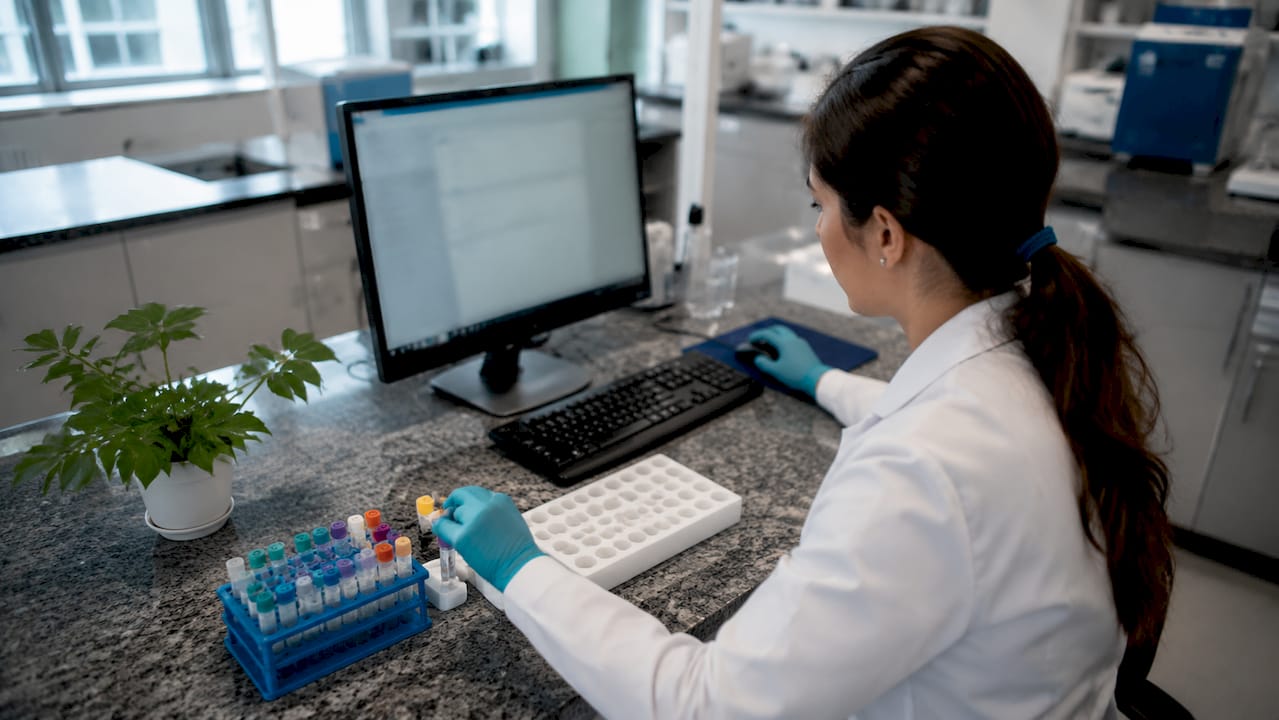
At-home paternity test results typically take 1–3 weeks after the lab receives the sample. Many labs offer 1–2 day results or same-day processing for an additional fee. This makes paternity testing the fastest category in the home DNA testing timeline.
The standard workflow moves through four steps:
- Sample receipt and logging: The lab confirms it has your kit and registers it in the system.
- DNA extraction: Technicians isolate usable genetic material from the buccal swab.
- Analysis: The lab compares genetic markers between the tested individuals.
- Reporting: Results are compiled and delivered through a secure online portal.
Each step takes time, and a problem at any stage can delay the final report. Poor sample collection is the most common cause of a hold. Expedited paternity options reduce turnaround to 1–2 business days at most providers for an additional fee. That option is worth considering when results are needed urgently.
Pro Tip: Register your kit online immediately after mailing it. Most labs activate tracking once the kit is logged, so you can monitor each processing stage without calling customer support.
3. What is the typical timeline for relationship DNA test results?
Relationship DNA tests such as grandparentage and sibling testing take somewhat longer than paternity results because the analysis is more complex. The lab must compare your genetic markers across multiple individuals and apply statistical modeling to determine the probability of a biological relationship.
The typical DNA test results timeframe for these kits runs 3–5 weeks after lab receipt. Several factors affect where your result falls within that range:
- Number of participants: More individuals in the test require more comparison passes, extending processing.
- Sample quality: A low-yield swab triggers a resample request, adding weeks to the wait.
- Lab backlog: High submission volumes during peak seasons slow queue progression.
- Shipping time: Transit days before lab receipt are not counted in the official timeline.
- Kit registration: Unregistered kits sometimes sit longer before being logged.
The table below summarizes typical relationship test processing stages:
| Stage | Estimated time |
|---|---|
| Shipping to lab | 2–7 days |
| Lab receipt and logging | 1–2 days |
| DNA extraction and analysis | 1–3 weeks |
| Statistical comparison | 3–7 days |
| Report generation | 2–4 days |
Sample quality issues requiring a resample add 2–4 weeks to the processing timeline. That single variable can turn a 3-week wait into a 7-week wait. Following collection instructions precisely is the most effective way to avoid it.
Pro Tip: Avoid ordering kits in november or december. Holiday shipping surges and lab backlogs during that period can push turnaround well beyond the standard range.
4. What factors influence home DNA testing timelines?
Several variables affect the home DNA testing timeline beyond the test type itself. Understanding each one helps you take steps that reduce your total wait time.
- Shipping time: Transit days are the hidden variable. The timeline starts at lab receipt, not at mailing. A kit sitting in transit for 5 days adds 5 days to your total experience, even though the lab has not started processing.
- Sample quality: Poor collection technique is the leading cause of delays. Eating, drinking, or smoking within 30 minutes of swabbing reduces DNA yield and increases the chance of a resample request.
- Lab volume: High laboratory volume during holiday seasons can double or triple turnaround times, extending them up to 8–12 weeks. Post-holiday surges in january and february are particularly common.
- Kit registration: Unregistered kits take longer to log. Registering online immediately after mailing activates tracking and speeds up the intake process.
- Customer support access: Order tracking portals update users on sample receipt, processing stage, and result readiness. Using them reduces the need to contact support and gives you accurate status information.
Experts stress strict adherence to sample collection instructions, such as waiting after eating, to improve DNA yield and avoid delays that reset the entire processing timeline.
Pro Tip: Mail your sample on a monday or tuesday. Kits mailed late in the week risk sitting in a postal facility over the weekend, adding 2–3 days before the lab even receives them.
5. How do turnaround times compare across DNA test types?
The table below provides a direct comparison of average turnaround ranges for the main home DNA test categories offered by US Diagnostics Center. These ranges reflect standard processing after lab receipt and do not include shipping time.
| Test type | Standard turnaround | Expedited option | Peak season impact |
|---|---|---|---|
| Paternity | 2–3 business days | 1–2 business days | Moderate |
| Maternity | 2–3 business days | 1–2 business days | Moderate |
| Sibling / Grandparent / Aunt-Uncle | 3–5 weeks | Not widely available | Moderate to high |
Paternity testing offers the clearest speed advantage. The analysis compares a limited set of genetic markers between two or three individuals, which is far less computationally intensive than multi-party relationship analysis. That simplicity is why expedited paternity results are available at most providers while expedited options for more complex tests are not.
Relationship tests carry higher seasonal sensitivity. Submitting a kit between november and january carries a real risk of extended delays. If your timeline is flexible, submitting in late winter or spring produces the most predictable turnaround.
Key takeaways
Home DNA kit result timelines depend primarily on test type, sample quality, and lab receipt timing, with paternity tests delivering the fastest results and multi-party relationship tests taking the longest.
| Point | Details |
|---|---|
| Timeline starts at lab receipt | Shipping days are not counted. Mail promptly and register your kit to activate tracking. |
| Paternity tests are fastest | Standard turnaround is 2–3 business days, with expedited options delivering results in 1–2 business days. |
| Relationship tests take longer | Sibling, grandparent, and aunt-uncle tests typically take 3–5 weeks due to greater analytical complexity. |
| Poor sample quality resets the clock | A resample request adds 2–4 weeks. Follow collection instructions precisely to avoid it. |
| Home tests are for personal knowledge | At-home results are not court-admissible. Court-admissible results require a legal test with witnessed collection and documented chain of custody. |
What I have learned from waiting on DNA results
The part most guides skip is how disorienting the wait actually feels when the result carries real weight. I have seen people submit paternity kits expecting results in a few days, then panic at day 10 because no one explained that shipping time is invisible to the lab. That gap between expectation and reality is entirely preventable.
The single most underrated piece of advice is to check the online portal daily rather than waiting for an email notification. Labs update portal status in real time. An email can sit unread for hours, but a portal check takes 30 seconds and tells you exactly where your sample is in the queue.
For time-sensitive situations, I would not recommend submitting a home kit during november or december under any circumstances. The post-holiday surge in january compounds the problem further. If the result is time-sensitive, choose a lab that offers guaranteed processing windows. Keep in mind that home DNA tests are for personal knowledge only — if results are needed for a court proceeding, immigration case, or other legal purpose, a separate legal DNA test with witnessed sample collection and documented chain of custody is required. Cutting corners on lab selection to save money is a false economy when the result affects a custody case or a medical decision.
The other thing worth knowing: a resample request is not a failure. It happens regularly, even with careful collection. What matters is responding to it immediately. Every day of delay in returning the resample is a day added to your total wait.
— Todd
Get reliable results on a timeline you can count on
Waiting for DNA results is stressful enough without uncertainty about when they will arrive. US Diagnostics Center removes that uncertainty with transparent processing timelines, online status tracking, and results that are 99.99% accurate.
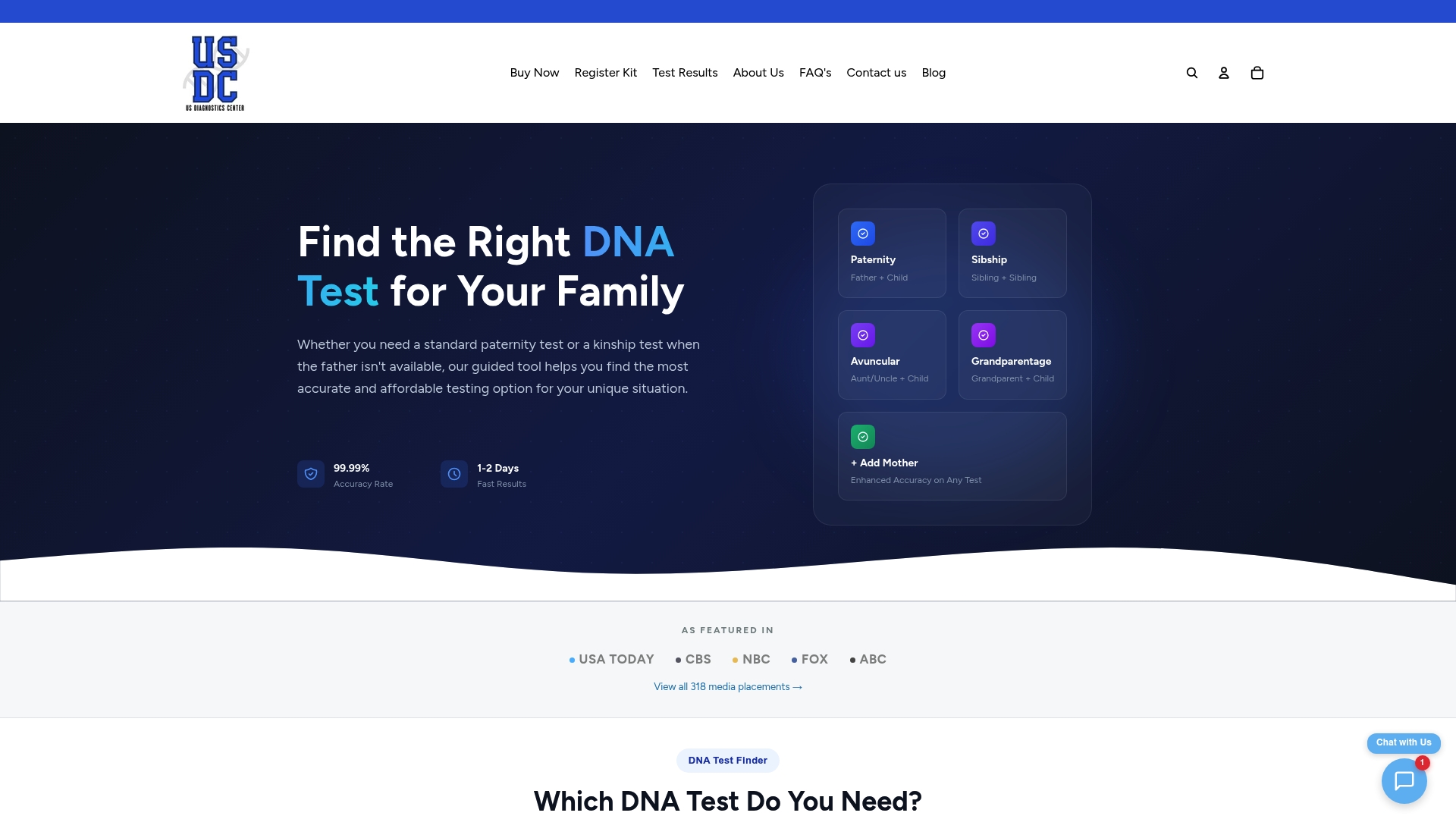
US Diagnostics Center's home DNA test kits cover paternity, grandparentage, and sibling testing, with standard results in 2–3 business days and expedited options for urgent situations. These tests are designed for personal knowledge. Use the test finder tool to identify the right test for your specific family situation and get a clear picture of what to expect before you order.
FAQ
How long does a home DNA kit take to get results?
Home DNA kit results take anywhere from 1 business day to several weeks after the lab receives the sample, depending on the test type. Paternity tests are the fastest, while multi-party relationship tests such as grandparentage and sibling testing take longer due to greater analytical complexity.
Does the timeline start when I mail the kit?
The timeline starts when the laboratory receives and logs your sample, not when you mail it. Shipping transit time adds days to your total wait but is not counted in the lab's official processing window.
What causes delays in DNA test results?
Poor sample quality is the leading cause of delays, as it triggers a resample request that adds 2–4 weeks to the timeline. High lab volume during holiday seasons can also extend turnaround times significantly, sometimes up to 8–12 weeks.
Can I get faster DNA results for paternity testing?
Expedited paternity test options are available at most providers and reduce turnaround to 1–2 business days for an additional fee. This option is particularly useful when results are needed urgently for personal knowledge purposes.
Are home DNA test results admissible in court?
No. Home DNA tests are for personal knowledge only and are not court-admissible. Court-admissible results require a separate legal DNA test with witnessed sample collection and a documented chain of custody, regardless of which lab processes the sample.
Recommended
- Understanding DNA Testing: How It Works and What to Expect | USDC
- USDCTest | DNA Paternity Testing for Peace of Mind
- Home DNA Test | DNA Testing Glossary | USDC
This article is part of our Understanding DNA Testing: How It Works and What to Expect guide.


0 comments