

Yes, nail clippings can work for many family relationship DNA tests, but they are a non-standard sample with a higher chance of contamination or a partial profile than a cheek swab. A 2015 pilot study found strong SNP genotyping concordance from nail DNA, yet AABB guidance shows buccal swabs still dominate relationship testing, so a feasibility check and proper chain of custody matter before we rely on nails for a legal case.
TL;DR:
- A pilot study found more than 96% concordance for SNP genotyping from nail DNA, but fragmented material still raises partial profile risk.
- Call the lab before collecting: nail samples may need prior authorization and a feasibility check, while legal or immigration cases require documented chain of custody.
- Collect clippings from several fingers with a clean clipper, avoid polish and direct handling, and store each person’s sample separately in a dry paper envelope.
- Most tests analyze up to 28 markers, but distant grandparent or aunt and uncle cases may need another relative if the nail profile is weak.
Table of Contents
- What the research and labs say about reliability and limitations
- Lab acceptance and chain of custody: when labs will accept nail samples
- How to collect, package, and ship nail clippings for the best result
- What to expect: markers, timeline, pricing, and what happens if the sample fails
- When nails make sense and when to ask for guidance first
- How we help when a nail sample is your best option
- FAQ
- Sources
What the research and labs say about reliability and limitations
Nail clippings are not a fringe idea. Researchers have confirmed that keratin tissue holds usable genetic material long after the clipping leaves the body, which is part of why they show up in family testing conversations at all.
A pilot study of nail-derived DNA reported SNP genotyping concordance above 96%, with 100% concordance for null-allele detection, when samples were processed with whole genome amplification methods like OmniPlex. That finding supports nails as a workable alternative source, particularly when a cheek swab is not an option. The same research notes that genotyping success from nails still trails blood or saliva, because the DNA recovered from keratin is more fragmented and present in smaller quantities.
That fragmentation creates specific technical hurdles:
- Surface contaminants from soil, soap, or handling can mix with the target DNA and distort a profile.
- Degraded and fragmented DNA strands make standard amplification less reliable than with fresh cheek cells.
- Mixtures and allelic dropout, documented in comparative fingernail studies, can obscure or weaken the genetic signal a lab needs.
- These issues matter more for distant kinship (aunt, uncle, grandparent) than for direct parentage, since weaker relationships need cleaner, higher-quality data to reach a confident conclusion.
Newer approaches help close that gap. Next-generation sequencing and short-amplicon STR panels are built to work with degraded samples, and research on NGS-based kinship testing shows these methods can recover usable results where conventional panels struggle. Not every lab runs them, which is one more reason to confirm a lab’s capabilities before sending a nail sample.
Lab acceptance and chain of custody: when labs will accept nail samples
Most relationship testing labs are built around the cheek swab, and for good reason. The 2024 AABB Relationship Testing Technical Report shows buccal swabs account for the vast majority of samples submitted for relationship testing, with nails and other non-standard sources making up a small remainder. That imbalance means many intake forms do not even list nails as an option, so calling ahead is not optional, it is the only way to avoid a rejected kit.
A few practical realities follow from this:
- Chain of custody, the documented handling trail from collection to lab receipt, is what makes a sample usable for legal or immigration matters, and an informally collected nail clipping without that trail typically cannot serve that purpose.
- Prior authorization from the lab before shipping a nail sample prevents wasted fees and avoids a sample sitting unprocessed because it does not match the intake protocol.
- A feasibility or viability check, run before full kinship calculations begin, tells both the lab and the client whether the clipping holds enough intact DNA to proceed.
That feasibility step typically ends in one of three outcomes: the lab proceeds with full testing, the lab recovers a partial profile and requests additional relatives, or the lab asks for a new sample. Readers planning to verify an AABB lab for legal and immigration use should do that homework before collecting anything, not after.
How to collect, package, and ship nail clippings for the best result
Collecting nail clippings correctly is the single biggest factor in whether a lab can work with the sample at all. A few minutes of care at home prevents weeks of delay later.
- Wash and dry your hands thoroughly before clipping, and use a clean, unused clipper for each participant to avoid cross-contamination.
- Clip from several fingers per person rather than just one, since more material gives the lab a better shot at a usable extraction.
- Avoid touching the clippings directly with your fingers; tap them from the clipper straight into a clean paper envelope.
- Skip clippings with polish, acrylic, or recent contact with someone else’s hands, since these introduce chemicals or foreign DNA that can compromise results.
- Label each envelope with the participant’s full name and the date of collection, keeping each person’s sample in its own sealed envelope.
- Follow the lab’s specific shipping instructions, include any required consent or identification paperwork, and call ahead for prior authorization if the test is for a legal or immigration matter.
Paper, not plastic, is the right packaging choice here. Keratin tissue tolerates room temperature well and does not need refrigeration, but trapped moisture inside a sealed plastic bag can encourage degradation and mold growth that ruins an otherwise viable sample.
Pro Tip: When you contact the lab, specifically describe the clippings as an alternative specimen and ask for a feasibility review rather than letting the kit go through standard intake, where it may be flagged as incomplete or rejected outright.
What to expect: markers, timeline, pricing, and what happens if the sample fails

Most relationship tests analyze up to 28 markers, a panel size that gives strong statistical power for direct parentage and reasonable power for closer kinship like full siblings. Distant relationships such as aunt, uncle, or grandparent cases benefit from testing additional relatives when the nail-derived profile comes back weaker than expected, since each added participant increases the statistical confidence of the final result.
Lab workflow for a nail sample generally runs in three stages: a feasibility check, DNA extraction, and STR typing. We process DNA samples in a few business days once they reach our lab, and standard orders take about a week to 10 days from submission to results.
| Test type | Price |
|---|---|
| Home Paternity Test Kit | 79 USD |
| Home Maternity Test Kit | 129 USD |
| Sibling, Grandparent, or Aunt/Uncle Test | 139 USD |
Results land in one of three categories:
- A complete match or exclusion, giving a clear answer on the relationship in question.
- A partial or inconclusive profile, which usually means the lab needs a fresh sample or an additional relative.
- A request to switch to a standard sample type, such as a buccal swab, for the clearest possible result going forward.
When nails make sense and when to ask for guidance first
Nail clippings deserve consideration only when a cheek swab genuinely is not available, not as a default choice. The evidence supports nails as a workable fallback, not a first option, and treating them otherwise invites avoidable delays.
If a nail sample returns a weak or partial profile, adding another relative to the test often rescues the case statistically rather than forcing a full re-collection, as seen in a journey from a Canadian patient who needed genetic testing. For anyone unsure which test fits their situation or whether a nail sample will clear a lab’s feasibility check, using a guided test selection tool or speaking with a lab’s support team before collecting anything saves both time and money.
— Dr. Todd Lewis
How we help when a nail sample is your best option
We built our test selection tool around situations exactly like this one: when the usual cheek swab is not practical and you need a straight answer on which kit fits your case. Rather than guessing which relationship test applies, you can run your situation through our guided test finder and get a recommendation along with expedited processing options if you are working against a deadline.
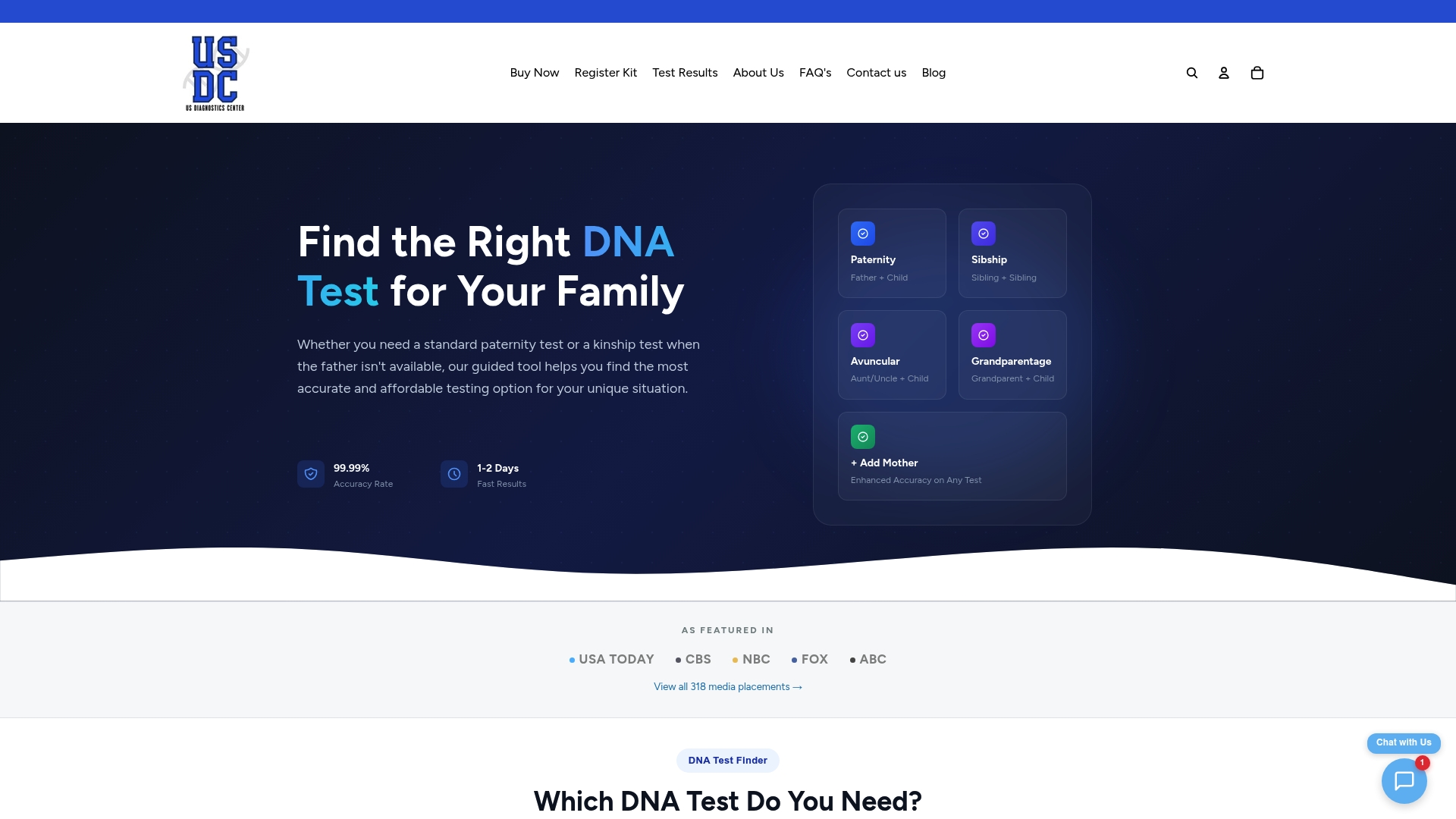
For home kinship testing, our home paternity, maternity, sibling, and grandparent kits run from $79 for a home paternity test to $129 for maternity and $139 for sibling, grandparent, or aunt/uncle testing. Every kit ships with a prepaid return envelope, and we process samples in our lab in 2 to 3 business days, with standard orders completing in 7 to 10 business days from start to finish.
- Guided selection tool to match your situation to the right kit.
- Feasibility consultation available before you submit a non-standard sample.
- Expedited processing for time-sensitive cases.
Browse our full collection of home DNA tests to find the kit that matches your family situation, or use the test finder above to get a direct recommendation.
FAQ
Can a lab get a DNA profile from nail clippings?
Yes, nail clippings can yield a usable DNA profile for relationship testing, with pilot research showing SNP genotyping concordance above 96% using whole genome amplification. Success depends on sample quality, the number of clippings collected, and whether the lab runs a feasibility check first.
Why do labs prefer cheek swabs over nail clippings?
Cheek swabs provide more intact, higher-quantity DNA and make up more than 97% of samples used for relationship testing, according to AABB’s 2024 technical report. Nail-derived DNA is more fragmented, which raises the chance of a partial or inconclusive result.
What causes a nail DNA sample to be rejected by a lab?
Contamination from handling, nail polish, insufficient clipping material, and missing chain-of-custody documentation are the most common reasons a lab cannot process a nail sample. Washing hands before collection, using a clean clipper, and calling the lab ahead of time for a feasibility review significantly reduce that risk.
How many markers does a typical kinship test report?
Most relationship DNA tests report up to 28 markers, which gives strong statistical confidence for direct parentage and reasonable confidence for closer kinship cases. Distant relationships such as grandparent or aunt/uncle testing often benefit from testing an additional relative when the initial profile is weaker than expected.
How long does a nail-based DNA test take?
Lab processing typically takes 2 to 3 business days once a viable sample is received, with standard orders completing in 7 to 10 business days from submission to results. A feasibility check on a nail sample happens before that clock starts, since the lab needs to confirm the clipping holds enough usable DNA.
Sources
- Human Nail Clippings as a Source of DNA for Genetic Studies
- 2024 AABB Relationship Testing Technical Report
- Collecting and analyzing DNA evidence from fingernails: a comparative study


0 comments